Pagine

Visualizzazione post con etichetta North Korea. Mostra tutti i post

domenica 20 settembre 2015

North Korea - Kim regime expands secret prison camp for women forcibly returned from China

Fox News
The communist regime in North Korea has been expanding space for women in its notorious prison labor camps to accommodate the number of Koreans forcibly returned from China, where they had sought the economic means to survive.


North Korean leader Kim Jong Un
The atrocities that await inmates in the North Korean gulag include forced labor, savage beatings, starvation, episodic executions and other crimes against humanity, according to a new report by the Committee for Human Rights in North Korea (CHRNK), a Washington-based non-profit group.

The most recent changes in North Korea’s remote and extensive secret prison network is documented in The Hidden Gulag IV, an update of the Committee’s decade-long examination of the North Korean system, published on Friday. The report is buttressed by a separate analysis of satellite photographs and based on interviews with inmates who endured stays in the horrific system and subsequently escaped to South Korea after their release.

The Kim regime steadfastly denies the existence of any and all of the camps.

mercoledì 12 agosto 2015

North Korea executes vice premier for discontent with leader from Yonhap News

Reuters
Seoul - North Korea's vice premier was executed by firing squad this year after showing discontent with the policies of the country's leader Kim Jong Un, a South Korean media report said on Wednesday.
Yonhap News Agency cited an unnamed source as saying that the 63-year-old Choe Yong Gon, a former delegate for North-South cooperation, was executed, marking another death of a senior official in a series of high-level purges since Kim Jong Un took charge in late 2011.
The Yonhap report said Choe had expressed disagreement with Kim's forestry policies in May and had shown poor work performance. It provided no further details. South Korea's Unification Ministry, which handles the country's ties with North Korea, said in a text message received by Reuters that Choe had not been spotted in public for about eight months, and that it was closely monitoring the situation.
South Korea's National Intelligence Service declined to comment on the report to Reuters.
The South Korean spy agency told lawmakers in May that North Korea had executed its defence chief by putting him in front of an anti-aircraft gun at a firing range.
Choe was appointed vice-premier last year, North Korea's state-run KCNA news agency reported previously.
Yonhap said the source also said the reclusive state had publicly executed a senior Workers' Party official in September.
Choe had worked on inter-Korean affairs in 2000s, leading the North's delegation in joint economic cooperation committees with South Korea between 2003 and 2005.
He attended the 2004 opening ceremony of the Kaesong Industrial Complex, a factory park jointly run with Seoul that is the last remaining joint project of the two countries.

giovedì 7 maggio 2015

Nord Corea: "il mondo deve aiutarci", diario di uno scrittore evaso dai campi di prigionia

La Repubblica
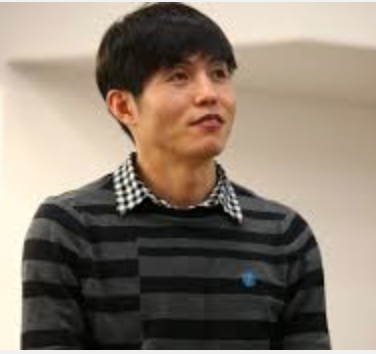
Sono nato in un campo di prigionia nordcoreano, e per molti anni ho pensato che la mia vita non avesse alcun significato. Nato prigioniero, non riuscivo a immaginare una vita diversa, né di poter essere io stesso qualcos'altro: ero uno schiavo, e non mi facevo domande. Respiravo la stessa aria di adesso, e sentivo gli stessi battiti del cuore, ma la mia vita non era migliore di quella degli insetti e degli altri animali intorno a me.
Shin Dong-Hyuk
Spesso li invidiavo, perché mangiavano meglio di me di sicuro, ed erano più liberi. Alcuni, come gli insetti e gli uccelli, potevano persino uscire da quel terribile inferno, e andare e venire come pareva loro. Non ho mai saputo esattamente perché i miei genitori siano stati rinchiusi in un campo, né tantomeno perché mi ci trovassi io. Credo che anche loro non fossero sicuri della ragione che li aveva portati lì, ma dopo un po' nei campi si smette di pensarci.

Del resto ho saputo poi che è facilissimo essere imprigionati in Corea del Nord, a volte per delle infrazioni ridicole. Per esempio in Corea del Nord è obbligatorio avere in casa una foto del dittatore in carica, oggi Kim Jong Un, da esporre nel posto migliore e più visibile della casa, e da trattare con ogni cura. Ci sono delle ispezioni mensili, senza preavviso, per controllare lo stato della foto.

Se per caso durante un'ispezione a sorpresa si trova la foto impolverata, o appesa male, o nella parete sbagliata, bene, questa è una ragione sufficiente per venire deportati. Se sul giornale compare un'immagine del dittatore e voi per caso lo ripiegate al contrario, oppure riutilizzate la pagina, oppure lo attorcigliate, o lo accartocciate potreste finire dritti in un campo di lavoro, prelevati senza troppe cerimonie mentre magari state mangiando o aspettando il bus. Questo stato di cose va avanti da settant'anni, ed è andato via via sempre peggiorando. Dopo la fine delle dinastie coreane e l'occupazione giapponese, Kim Il Sung è diventato il leader della Corea del Nord nel 1940, e ha istituito il nuovo sistema di governo. Da quel momento in poi per il mio popolo non è stato possibile sapere più nulla del mondo esterno, o molto poco, e tutte le informazioni arrivano dal regime. Non è legale possedere o far circolare libri che non siano quelli approvati (quasi tutte biografie dei nostri "Cari Leader" e variazioni sul tema). È vietato naturalmente possedere o leggere la Bibbia, che anzi è forse il libro più temuto dal regime.

La televisione ha un solo canale, che trasmette sempre discorsi, parate, inaugurazioni di piscine, scuole o ospedali che spesso sono finzioni, e che vengono sempre presentati come doni del Caro Leader alla nazione. Ma voi che cosa pensereste se il vostro governo presentasse l'apertura di una scuola come un regalo? In realtà oggi all'interno del Paese molti hanno desiderio di informarsi su quello che succede al di là dei confini, ma ci vorranno anni e grandi sforzi affinché trovino il coraggio di ribellarsi a un sistema politico che per così tanto tempo ha esercitato un controllo totale sulle masse.

Oggi il vero problema che paralizza il popolo nord coreano più che l'ingenuità è la paura: paura del Caro Leader, del suo regime, delle sue punizioni. Dal giorno della mia fuga (quasi dieci anni fa) a oggi non è cambiato nulla: i soprusi, le violenze, gli omicidi per mano di Kim Jong Un sono ancora all'ordine del giorno. Intanto il resto del mondo sta a guardare, e lascia che tutto questo continui ad accadere. Eppure un giorno dovremo intervenire, fare qualcosa. L'unica cosa che posso fare io è consegnare al mondo la mia voce e la mia storia, e far conoscere a voi gli eventi terribili che accadono in Corea del Nord. Ho vissuto in un inferno sulla terra per 24 anni, e ho capito solo dopo un po' che cos'è la libertà, quella che voi in Europa e in Occidente date per scontata, e che è invece il vostro bene più prezioso.

La libertà sono io, è in me, è nel mio Dna, nella mia mente, nell'anima e nel corpo. Me ne sono reso conto tardi, ma ora so che è dentro di noi dal momento in cui nasciamo, anzi dal momento in cui siamo nella pancia di nostra madre. Non è un dono, non è qualcosa che qualcuno ci concede. La vita è preziosa, ma può finire in qualsiasi momento. Tutto può finire in un istante. Per questo vale la pena di combattere per la nostra felicità e per la libertà di tutti, ogni giorno.

di Shin Dong-Hyuk

mercoledì 20 novembre 2013

North Korea - The death penalty for possessing a Bible

Death Penalty News
North Korea executed 80 people, in some cases, tying them to stakes and machine-gunning them before 10,000 spectators of all ages assembled in a sports stadium. Among the crimes: possessing a Bible.

Some 80 people were publicly executed earlier this month in 7 cities in North Korea excluding Pyongyang, the first known large-scale public executions by the Kim Jong-un regime, the JoongAng Ilbo reported.

The executions occurred on Sunday, Nov. 3, according to a source familiar with internal affairs in the North who recently visited the country.

The people were executed for relatively light transgressions such as watching South Korean movies or distributing pornography.

About 10 people were killed in each city, which included Wonsan in Kangwon Province, Chongjin in North Hamgyong Province, Sariwon in North Hwanghae Province and Pyongsong in South Pyongan.

In Wonsan, 8 people were tied to a stakes at a local stadium, had their heads covered with white sacks and were shot with a machine gun, according to the source.

According to witnesses of the execution, the source said, Wonsan authorities gathered some 10,000 people, including children, at Shinpoong Stadium, which has a capacity of 30,000 people, and forced them to watch.


"I heard from the residents that they watched in terror as the corpses were riddled by machine-gun fire that they were hard to identify afterwards."


The Wonsan victims were mostly charged with watching or illegally trafficking South Korean videos, being involved in prostitution or being in possession of a Bible.


Read more: http://deathpenaltynews.blogspot.com/2013/11/the-death-penalty-for-possessing-bible.html#ixzz2lALkKQ6a

mercoledì 15 maggio 2013

UN ramps up scrutiny of North Korea’s catastrophic human rights record

Amnesty International

By Evan Ritli of Amnesty International Australia

Given North Korea’s catastrophic human rights record it is hardly surprising that the United Nations has established a Commission of Inquiry whilst a Special Rapporteur continues to analyse the country’s human rights situation.

The UN Human Rights Council has established the Commission to investigate “the systematic, widespread and grave violations of human rights in the Democratic People’s Republic of Korea” . Amnesty International, as a member of the International Coalition to Stop Crimes Against Humanity in North Korea (ICNK) lobbied governments hard to achieve this Commission.

Heading up the Commission will be former Australian High Court Justice Michael Kirby. Kirby says he will use his 34 years of experience as a judge to investigate the situation objectively and without prejudice: “I have no preconceptions about the government of North Korea and I’ll proceed as one should: with impartiality and just giving them the opportunity to have their say and to respond to testimony. That’s due process.”

He will be joined on the three-member Commission of Inquiry by Marzuki Darusman, UN Special Rapporteur on situation of human rights in North Korea, and Sonja Biserko, founder and president of the Helsinki Committee for Human Rights in Serbia. They were given a one-year mandate for their investigation.

North Korea’s Political Prison Camps

The three experts will have their work cut out for them.
Hundreds of thousands of people are thought to be detained in political prison camps and other detention facilities throughout the country. Those imprisoned typically face grossly unfair trials or no trial at all. Families have been incarcerated there simply because a relative displeased the government.

Testimonies from former prisoners and guards have revealed that inmates are often subjected to torture and forced labour. North Korean authorities continue to deny the existence of political prison camps.

However, the Human Rights Council is already well aware of these camps and in establishing the Commission of Inquiry deplored “the use of torture and labour camps against political prisoners” and urged for these practices to immediately cease.

In fact, earlier this year before being named to the commission, Marzuki Darusman went so far as to say that the “grave human-rights violations in the prison camps or the mere existence of slave camps may amount to crimes against humanity”.

As part of Amnesty International’s campaign to close political prison camps in North Korea we released a series of shocking satellite imagery showing that the North Korean government has begun to blur the lines between its political prison camps and surrounding villages.

Yodok and beyond

Kirby and the commission will undoubtedly investigate the likes of Yodok Political Prison Camp and should make strong recommendations for the closure of all political prison camps like it in North Korea.

Yodok Political Prison Camp – in Yodok County, South Hamkyung Province – is made up of a ‘total control zone’ and a ‘revolutionary zone’. While those sent to the revolutionary zone may be “re-educated” and released after sentences of a few months to 10 years, those sent to the total control zone are never released. There are estimated to be over 50,000 inmates currently in Yodok.

People can end up in a place like Yodok for “crimes” such as underperforming in official duties, criticizing the regime, and engaging in “anti-government” activities, Typically the authorities also detain up to three generations of the prisoners’ family members. Children born in a political prison camp automatically become prisoners, potentially for life. Torture and forced hard labour are the norm and public executions are common.

The Commission of Inquiry is due to present an update to the human rights Council in September and another to the General Assembly later in the fall, with a full written report to come in March 2014.

Hopefully their findings will place further pressure on both the North Korean government and the international community to take action and put an end to the gross human rights violations meted out at Yodok and the whole network of North Korea’s political prison camps.

Human Rights - Diritti Umani - Droits de l'Homme - Derechos Humanos - For a World Without the Death Penalty - Rights of prisoners - No Justice Without Life

sabato 27 aprile 2013

American tourist faces death penalty in North Korea to overthrow government after reportedly taking photographs of homeless children

The Guardian
Kenneth Bae charged with plotting to overthrow government after reportedly taking photographs of homeless children

North Korea has announced that an American tourist is to be tried on charges of plotting to overthrow the government, a crime that carries a possible death penalty.

The case against Korean-American Kenneth Bae, who has been imprisoned in North Korea since early November, could further stoke tensions between Pyongyang and Washington.

Bae, 44, was arrested in Rason, a special economic zone in North Korea's far north-eastern region bordering China and Russia, according to official state media.

The exact nature of his alleged crimes has not been disclosed, but North Korea accuses Bae, described as a tour operator, of seeking to overthrow North Korea's leadership.
"In the process of investigation he admitted that he committed crimes aimed to topple the DPRK with hostility toward it," the state-run Korean Central News Agency said on Saturday. "His crimes were proved by evidence. He will soon be taken to the supreme court of the DPRK to face judgment."

South Korean rights workers said the authorities may have taken issue with some of Bae's photographs, including those of homeless North Korean children, Reuters reported.
There have been weeks of spiralling tension on the Korean peninsula following the tightening of UN sanctions after the North's third nuclear weapon test in February. The move led to the North threatening nuclear strikes against South Korea and the US and demands by Pyongyang to be recognised as a nuclear state.

The North is thought to have produced enough weapons-grade plutonium for at least six nuclear bombs and has an established uranium-enrichment capability that would give it another route to building weapons of mass destruction. But analysts and intelligence officials say the regime is not yet able to mount a miniaturised nuclear warhead on a missile, despite its recent threats to conduct nuclear strikes.